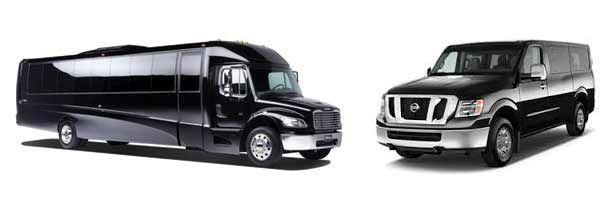
Managing transportation for a group often feels challenging due to varying schedules, priorities, and expectations. Every step, from initial contact to final drop-off, impacts the success of the experience. Transporting a group is more than just getting passengers from one place to another; it requires comfort, consistency, and a professional approach. Properly managed transportation enhances the trip instead of complicating it. A structured approach helps groups stay focused, relaxed, and confident.
A polished approach to group transportation requires foresight, organization, and a service mindset rooted in accountability. Big Sky Shuttle treats group transportation as a seamless, coordinated experience instead of a simple logistical operation. Every decision is made with passenger flow, timing, and comfort in mind. By planning carefully, challenges can be anticipated and avoided. When transportation is planned with intention, the journey feels seamless from beginning to end.
Understanding Group Dynamics Before Planning
The first step to effective group travel is understanding the participants. Group size, travel objectives, arrival patterns, and individual expectations all shape how transportation should be structured. Some groups emphasize strict scheduling, whereas others enjoy relaxed and comfortable travel. Identifying these priorities early allows planning to remain aligned with the group’s goals. This clarity reduces friction and helps transportation support the overall experience.
Passenger behavior and group interaction shape the way transportation is executed. Evaluating these dynamics helps determine boarding flow and transition points. Planning in advance avoids delays and keeps the group on track. Clear roles for group leaders support organization and accountability. When group behavior is anticipated, the experience feels orderly rather than rushed.
Planning Timelines for Efficient Movement
Scheduling is crucial when managing travel for larger groups. Strategic scheduling accounts for boarding time, natural delays, and group movement patterns. Effective planning combines structure with flexibility to avoid rushing passengers. This ensures consistency and dependability throughout the trip. Proper scheduling prevents overcrowding and minimizes operational stress.
Timelines act as a structure guiding the group’s travel. Each transition is designed to flow logically into the next. Defined timelines enable leaders to guide the group confidently. The framework provides reassurance and reduces stress for passengers. Dependable scheduling helps maintain confidence in the travel experience.
Transparent Communication Ensures Coordination
How information is shared significantly affects group travel outcomes. Clear guidance helps passengers know where to go and when. Using a central point of contact eliminates confusion. Advance communication allows everyone to be informed and prepared. Effective messaging builds confidence in the service.
The service model emphasizes proactive and transparent communication at every stage. Group leaders receive timely updates that support effective coordination. Reliable communication helps keep passengers on track. This approach minimizes uncertainty and avoids last-minute clarification. Clear communication keeps the group moving together with confidence.
Vehicle Readiness and Interior Experience
Passenger perception is shaped by the vehicle’s appearance and condition. Cleanliness, seating layout, and interior comfort all contribute to satisfaction. Luxury transportation service prioritizes an environment that feels refined and well-maintained. Passengers notice these details immediately upon boarding. The vehicle’s readiness creates an immediate impression of professionalism.
Every vehicle is set up to provide comfort and efficient service. Spacious interiors allow passengers to settle in limousine companies comfortably. Climate control and smooth ride quality contribute to a relaxed atmosphere. Such preparation demonstrates attention to detail and high service standards. Passengers feel appreciated when interiors are comfortable and welcoming.
Chauffeur Preparation and Management
The professionalism of chauffeurs greatly impacts the journey. Their professionalism, preparation, and situational awareness influence how smoothly the journey unfolds. Advance briefing aligns drivers with the group’s travel requirements. Passengers feel secure when chauffeurs remain attentive and professional. This human element supports service consistency.
Internal coordination emphasizes preparation and accountability. Briefings prepare chauffeurs to meet passenger needs and timing expectations. Their role extends beyond driving to supporting the flow of the experience. Consistent coordination aligns the operational flow. Unified planning promotes reliable and professional service.
Organizing Group Luggage and Belongings
Transporting groups typically requires careful luggage handling. Without a structured process, luggage handling can create delays and confusion. A systematic approach keeps operations orderly and efficient. Proper handling increases passenger confidence and comfort. Careful management of belongings contributes to a seamless experience.
Handling luggage is incorporated into the overall travel plan. Organized boarding and unloading prevent delays. Travelers experience smoother transitions with organized handling. Structured processes maintain schedule adherence. Attention to luggage care strengthens passenger confidence.
Flexibility for Unexpected Situations
Unexpected changes can occur despite careful planning. Travel services must adapt while maintaining order. A composed approach safeguards passenger comfort. Passengers notice how service adapts to last-minute changes. A composed response maintains confidence and comfort.
Operations are designed to respond efficiently to evolving circumstances. Real-time coordination allows adjustments without disrupting flow. Maintaining information flow keeps leaders in control. This adaptability preserves continuity. Readiness and adaptability protect the quality of service.
Maximizing Passenger Satisfaction
Travel is frequently the initial and concluding touchpoint for group participants. Transportation must match the attention given to the primary event. A premium travel experience strengthens the perception of professionalism. Groups notice when transportation is organized and purposeful. This alignment elevates the overall experience.
The priority is a setting that promotes comfort and interaction. Organized movement and focused service improve group cohesion. Every detail is considered as part of a larger experience. Transportation becomes supportive rather than disruptive. Such practices enhance the overall group journey.
A Structured Approach to Group Transportation
Effective group transportation combines detailed planning, organized execution, and steady communication. Each component builds upon the next to create a reliable experience. From early preparation to real-time adaptation, structure remains essential. High-quality transportation relies on disciplined coordination. Careful oversight ensures passengers stay focused on the trip.
At Big Sky Shuttle, this structured approach guides every group journey. Clarity, service quality, and comfort direct the travel experience. Group travel is approached as a meticulously coordinated service. This mindset delivers consistency and confidence throughout the journey. The result is an experience defined by organization and refinement.